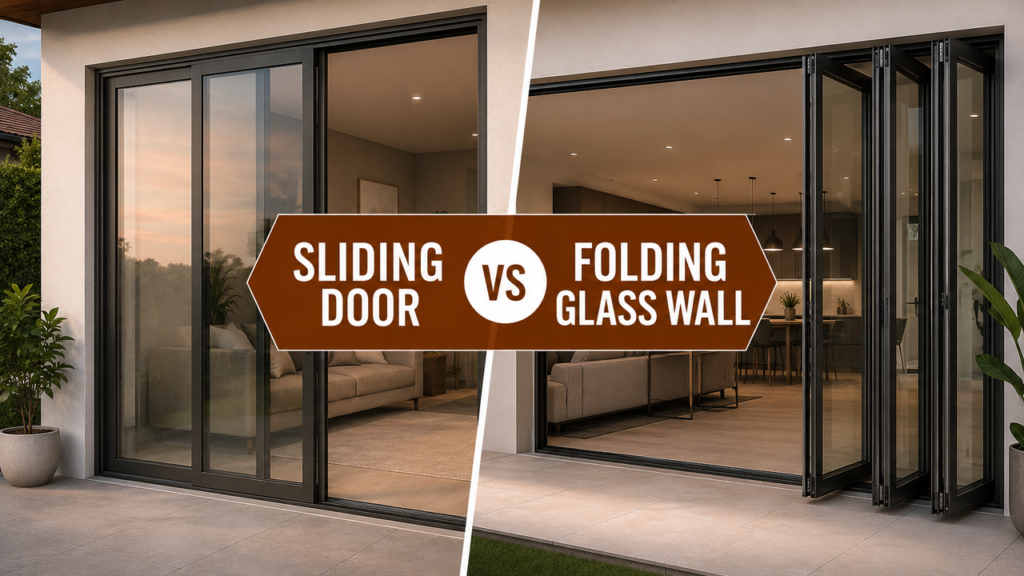
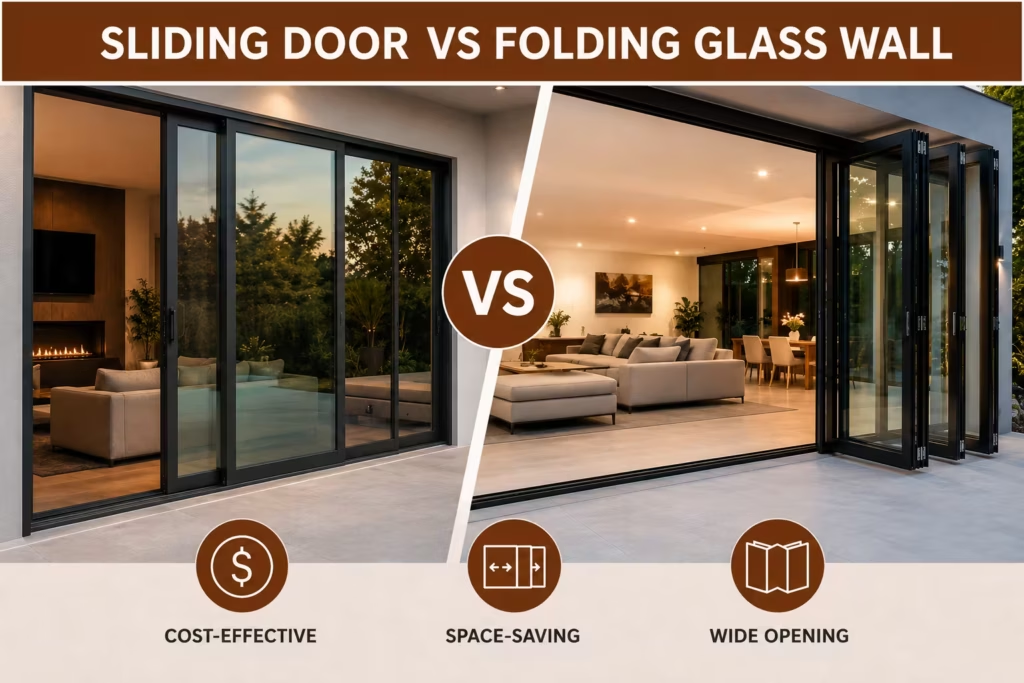
When comparing Sliding Door vs Folding Glass Wall, the better option depends on how you plan to use the space, your budget, and structural limitations.
In our experience, sliding doors are more practical, cost-effective, and easier to maintain, while a folding glass door system offers a wider opening and a more premium indoor-outdoor living experience.
Many homeowners don’t realize that the right choice isn’t about looks alone, it’s about performance, space, and long-term value.
Feature | Sliding Door | Folding Glass Wall |
Opening Width | Partial (panels overlap) | Nearly full opening |
Space Usage | No swing space needed | Requires stacking space |
Installation Complexity | Moderate | High |
Maintenance | Low to moderate | Moderate to high |
Cost | Lower | Higher |
Best For | Standard patios, small spaces | Large openings, luxury designs |
Sliding doors operate on a track system where panels glide horizontally.
During many sliding door installations, we see these as the most common solution for patios and backyard access.
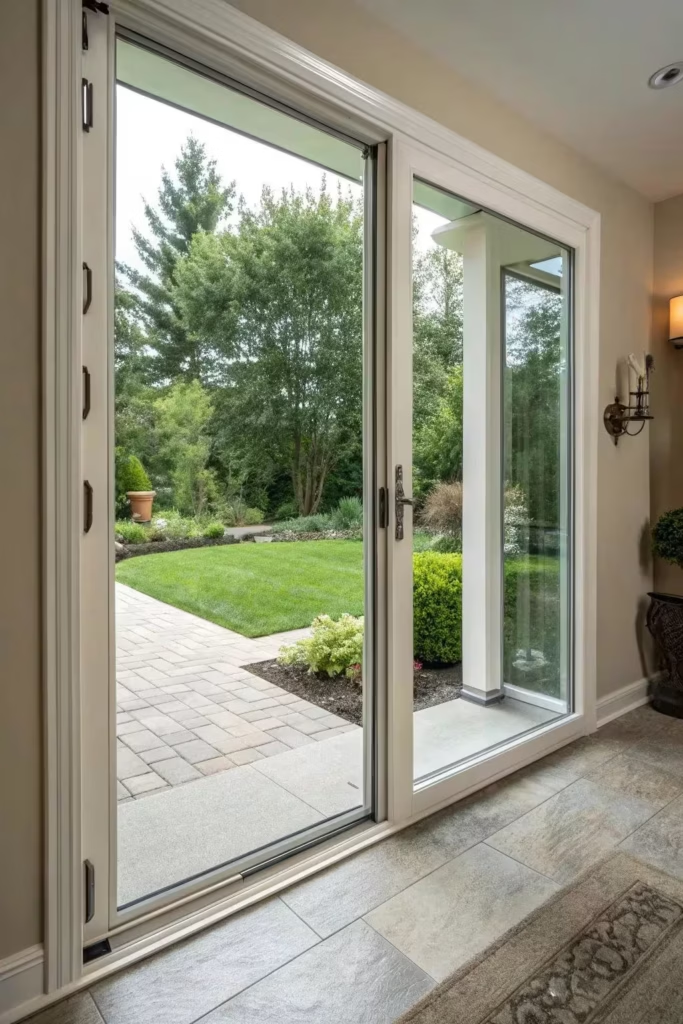
One issue we frequently encounter is poor maintenance of tracks, which leads to alignment problems and difficult operation.
A folding glass door system uses multiple panels that fold and stack to one or both sides.
In our experience, these systems are often chosen for high-end renovations focused on indoor-outdoor living.
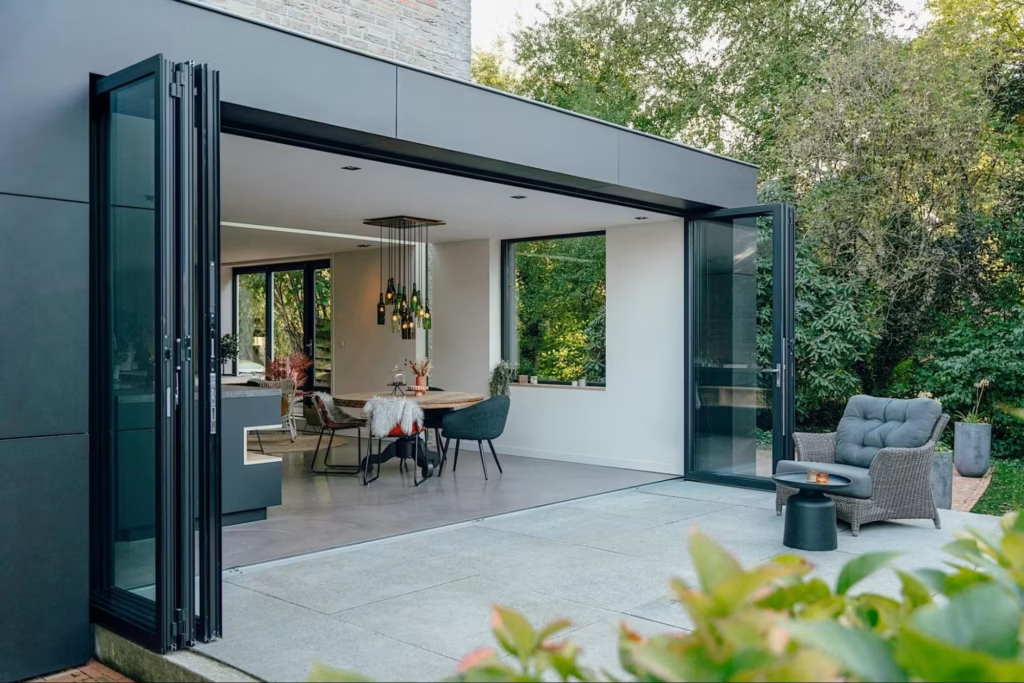
Professional installers typically spend significantly more time aligning panels in folding systems than in sliding setups.
Feature | Sliding Doors | Folding Glass Walls |
Opening Flexibility | Limited | Full-width opening |
Ventilation | Partial | Maximum airflow |
Space Requirement | Minimal | Needs stacking clearance |
Aesthetic Impact | Standard | High-end, modern |
Durability | Fewer moving parts | More hardware wear points |
In our experience, sliding systems perform better in everyday use, while folding systems prioritize openness and design.
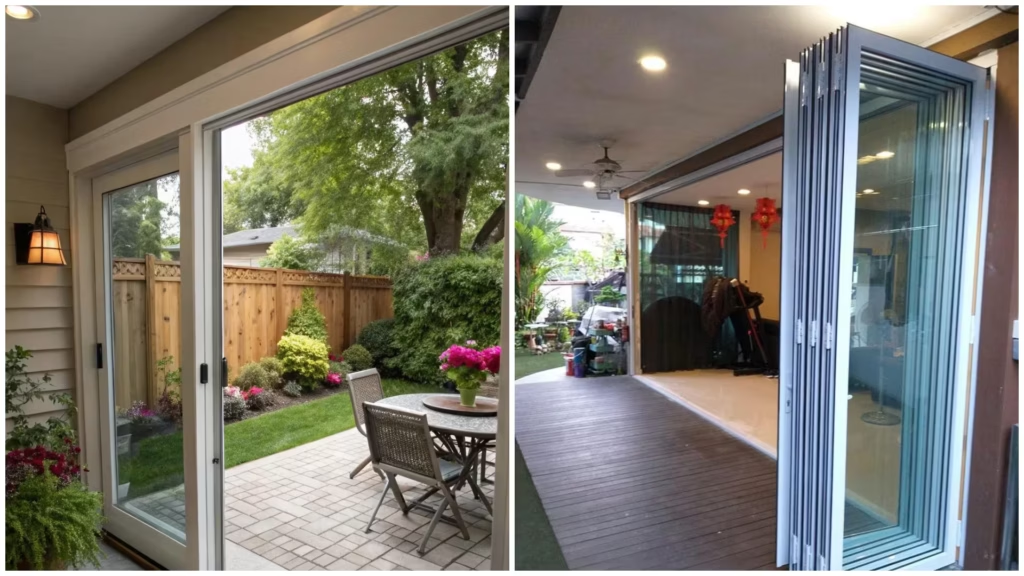
Before recommending a system, we evaluate the structure of the home carefully.
During sliding door installation, the process is typically straightforward because the system fits within standard framed openings.
For folding systems:
One mistake we often see is underestimating how much structural work is needed for folding glass systems.
All door systems require maintenance, but complexity varies.
In our experience, folding systems require more frequent adjustments due to the number of moving parts.
There are situations where upgrading or replacing your system makes sense.
During sliding door replacement, many homeowners consider upgrading to a folding glass door system.
We often recommend evaluating structural limitations before committing to an upgrade.
Energy performance depends on sealing and glass quality.
Many homeowners don’t realize that improper sealing in folding systems can lead to drafts and moisture issues.
Cost Factor | Sliding | Folding |
Standard product | Lower | Higher |
Installation labor | Moderate | Higher |
Hardware complexity | Lower | Higher |
Structural changes | Sometimes | More common |
Repair expense | Usually lower | Often higher |
Custom large systems | Can become expensive | Often very expensive |
Long-term maintenance | Relatively simple | More components to maintain |
These figures are budgeting references, not quotations. Region, glass specification, engineering, wall reconstruction, permits, finishes, and door size can change the total substantially.
In our experience, cost is one of the biggest deciding factors for homeowners.
In our experience, the best results come from balancing design goals with practical performance.
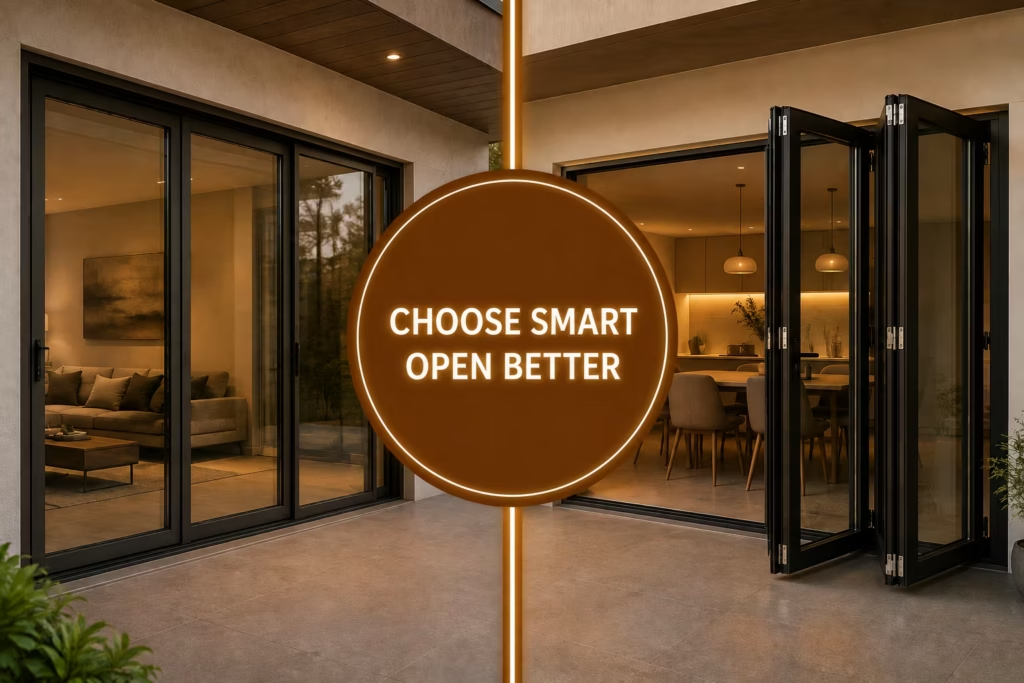
Neither option is universally better.
In general, sliding patio door systems offer a great combination of affordability with space-efficiency, simple maintenance, and ease of use. Although folding systems require more equipment and cost more, they offer an indoor-outdoor space that is unique.
Consider the following: the opening size, structure, climate, expected maintenance, and frequency of use. Don’t just choose based on how they look.
A folding glass wall generally provides a wider usable opening because multiple panels can fold and stack away from the center of the opening.
Both systems can provide good security when properly engineered, installed, and maintained.
It is possible, but not always. A sliding door opening may be able to accept a new folding system with no modifications.
Start by evaluating the opening, surrounding structure, floor levels, drainage, waterproofing, desired panel configuration, and available operating space.
Get personalized recommendations and professional installation support today.
Explore everything you need to know about sliding doors, from modern design ideas and space-saving solutions to installation tips, maintenance advice, materials, and the latest trends.
Fast, dependable patio door solutions with expert installation, lasting performance, and exceptional craftsmanship.