
The first thing we notice when a homeowner points out a torn patio screen is usually not the tear itself. We look at the frame, rollers, spline, and track before deciding what actually needs fixing.
In our experience, a screen door with damaged mesh often looks worse than it really is. If the frame is straight and the rollers still work properly, Patio Door Rescreening can be much more practical than replacing the entire panel.
For a standard single sliding screen panel, a reasonable planning range is often about $100–$300 for professional rescreening, although actual pricing varies considerably. Mesh type, door size, labor, spline, frame condition, and additional repairs can move the price higher or lower.
The important question is not simply, “How much does a new screen cost?” It is whether the existing door is worth keeping.
The cost to replace the patio door screen depends on several parts of the job rather than one universal rate.
For budgeting purposes, think about the repair in four categories:
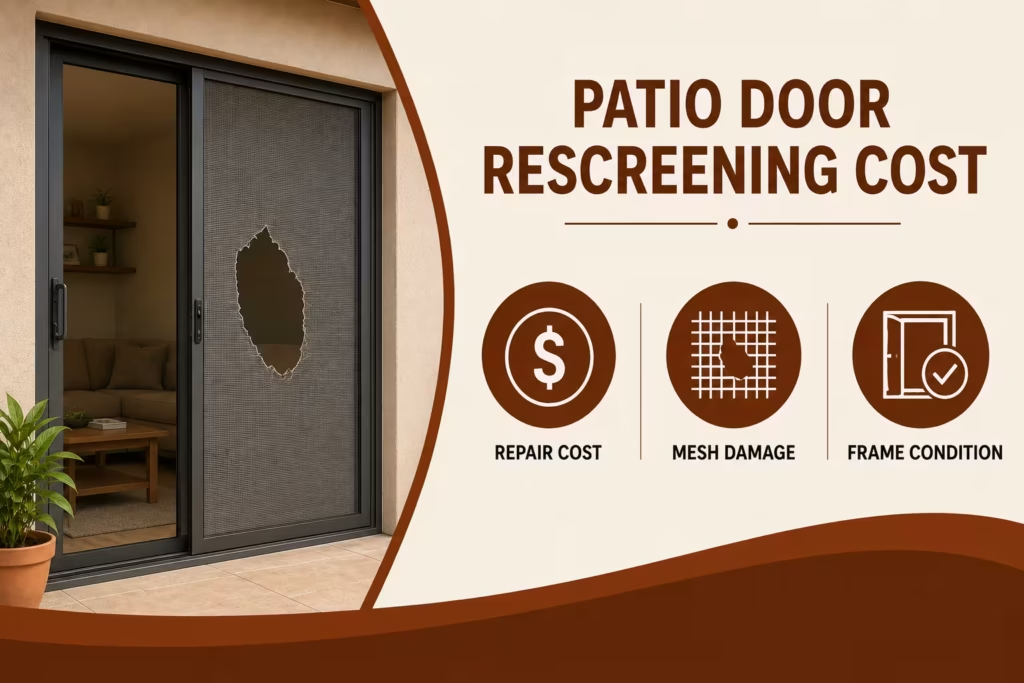
Cost Factor | What Can Affect the Price |
Screen material | Standard, heavy-duty, pet-resistant, solar, or specialty mesh |
Door size | Larger panels require more material and careful handling |
Labor | Removal, preparation, installation, trimming, and reinstallation |
Additional repairs | Spline, rollers, frame damage, handles, or alignment issues |
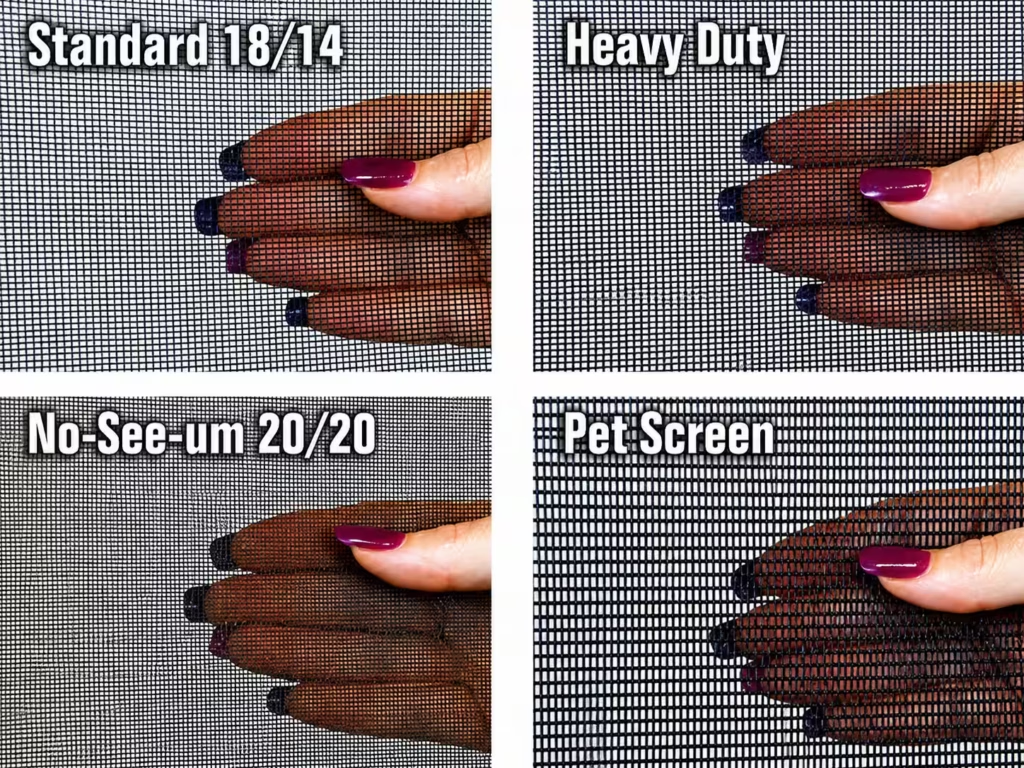
Standard fiberglass mesh is usually the economical choice for ordinary patio doors. Heavy-duty and pet-resistant materials generally cost more because they are designed to withstand greater abuse.
Solar or specialty screening can also increase the material portion of the estimate.
A large sliding panel requires more mesh and can take additional time to handle safely. The physical size also matters during removal and reinstallation.
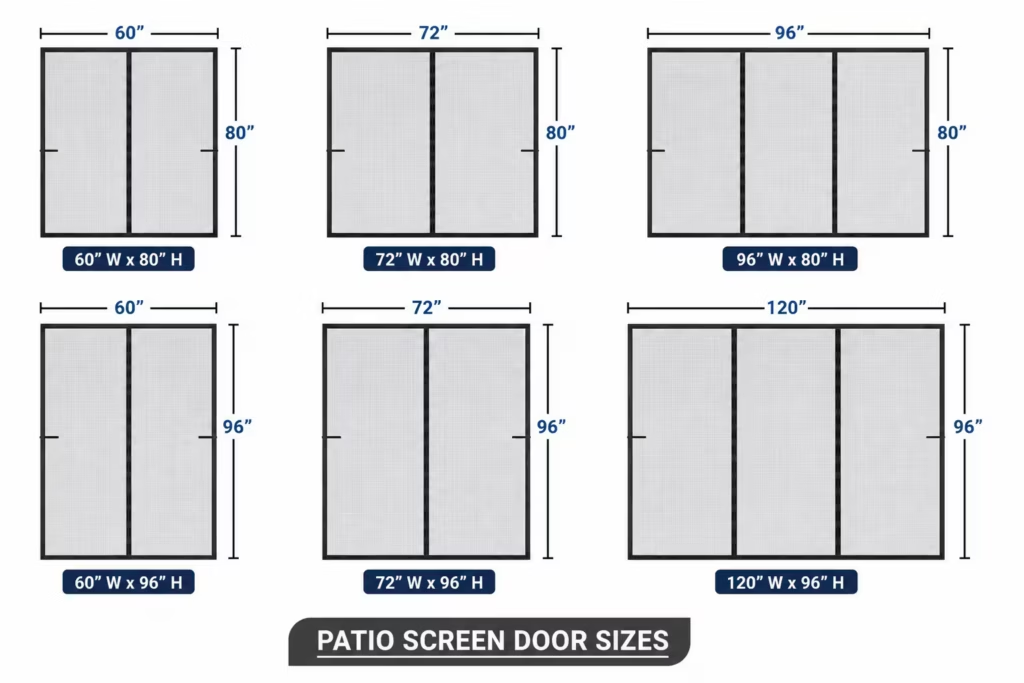
A large sliding panel requires more mesh and can take additional time to handle safely. The physical size also matters during removal and reinstallation.
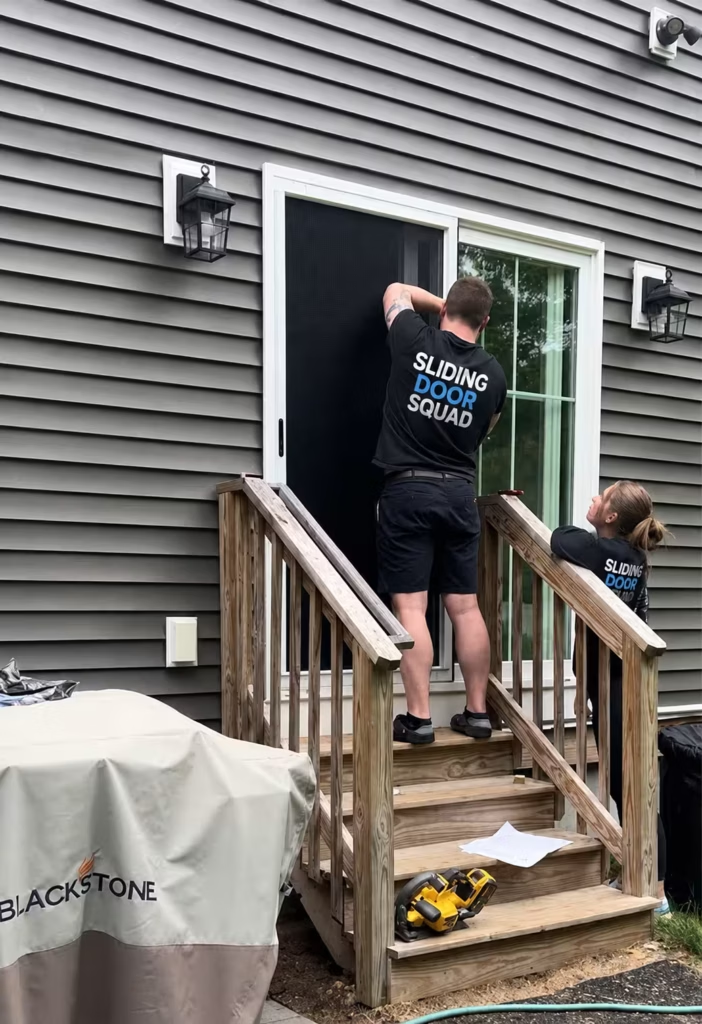
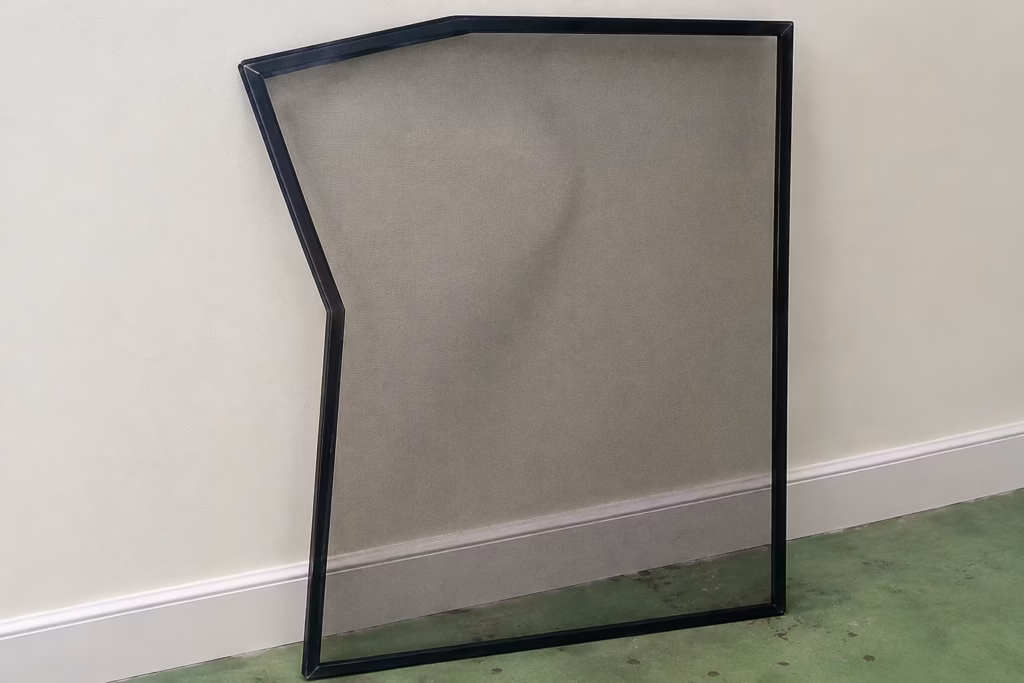
A damaged frame can change the entire estimate.
If the frame is bent, corroded, cracked, or missing part of its spline channel, installing new mesh may not be a sensible standalone repair.
If the frame itself is failing, spending money on new mesh may only postpone the larger sliding screen door repair.
A simple repair makes sense when the problem is isolated to the screening system.
Common examples include:
When we inspect a patio screen door, we usually separate cosmetic mesh damage from mechanical problems.
If the door still rolls correctly and the frame has good structural integrity, replacing the screen material can restore its function without replacing the whole assembly.
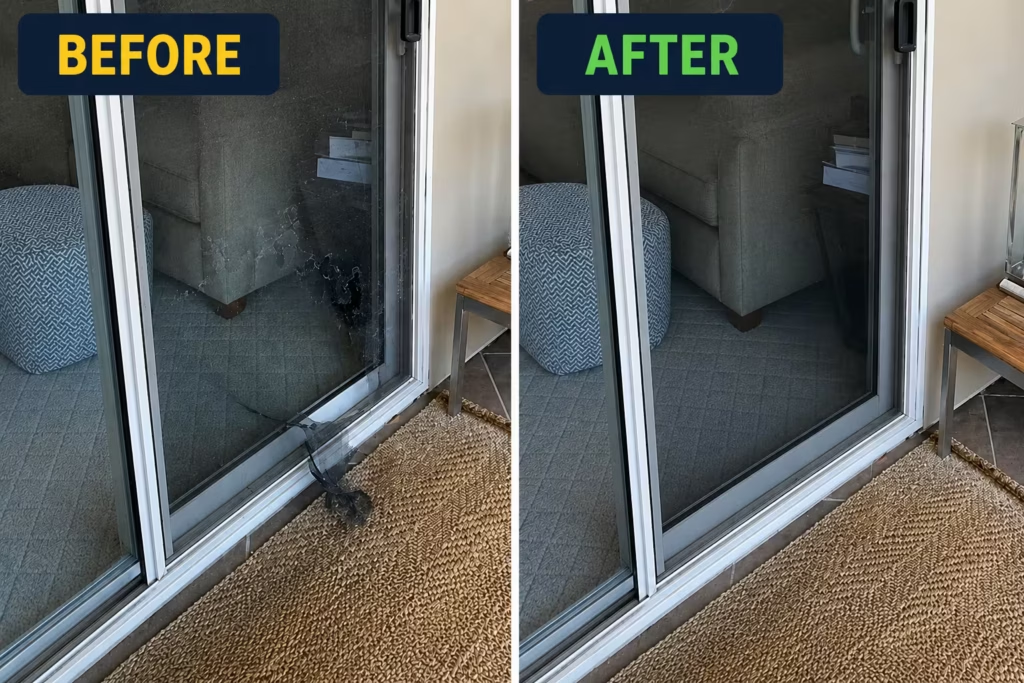
We recently completed a Patio Door Rescreening in South Philadelphia, PA where the mesh was badly torn, and the homeowner thought the entire screen door needed replacement. After inspecting it, we found the frame, corners, and rollers were still in good condition.
We tested the panel, checked the frame and spline channel, and inspected the rollers and bottom rail. Once everything looked sound, we removed the damaged mesh and prepared the frame for new screening.
We installed compatible mesh and spline, reinstalled the panel, and adjusted the rollers for smooth movement. The homeowner avoided an unnecessary replacement and got a properly working screen door with a much simpler repair.
Before quoting the work, we usually check:
This inspection can reveal additional problems before the new screen is installed.
For example, a worn roller can make the panel drag against the track. This problem may lead to situations where, even if the new mesh is properly installed, the door will continue functioning improperly.
Yes, rescreening can be done as a do-it-yourself project if the panel is small and the frame is in good shape.
The commonly needed tools include:
Some common DIY errors that can occur are cutting the mesh too small, pulling the mesh too tight, using the wrong spline, and applying the spline in the channel improperly.
Sometimes, homeowners focus on the screen and forget about the rollers underneath. A good patio door screen repair checks both the screen and the door’s mechanics.
Instead of evaluating the quote on the basis of the total alone, consider what the quote covers.
Useful questions include:
A higher estimate may make sense when you need specialty mesh, difficult access, damaged hardware, or frame repairs.
The important thing is knowing what work you are actually paying for.
Rescreening can be an excellent way to restore a patio screen door without replacing an otherwise usable frame.
The right decision begins with checking. If the netting has torn while the frame, rollers, track, spline channels, and all hardware is still in good condition, then replacing the netting might just be the right choice to make.
In our experience, the cheapest repair is not always the one with the lowest material price. It is the repair that addresses the actual problem without replacing components that still have useful life.
A straightforward single-panel job can often be completed within a few hours, depending on removal, preparation, mesh, and frame condition.
It depends on the quote; some repairs reuse suitable splines, while damaged, hardened, or incorrectly sized splines should be replaced.
Loose mesh can result from poor tensioning, damaged spline, incorrect installation, frame movement, or problems within the screen channel.
Expect the final quote to reflect the mesh type, door size, frame condition, labor structure, and any service-call charges. Older patio door systems or difficult building access may also affect the work.
Get personalized recommendations and professional installation support today.
Fast, dependable patio door solutions with expert installation, lasting performance, and exceptional craftsmanship.